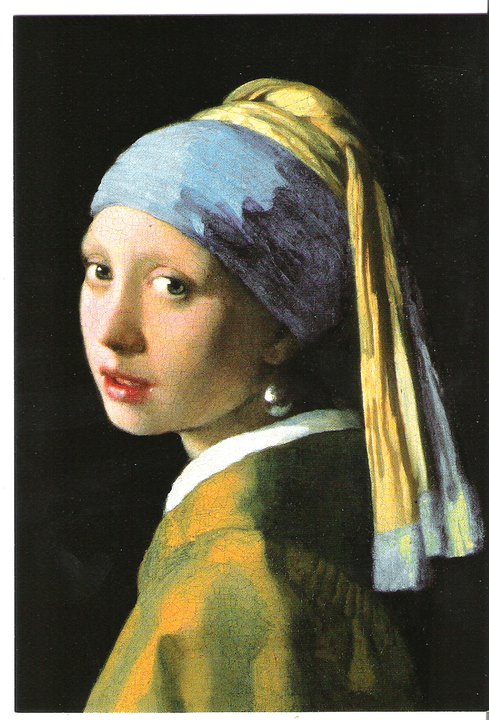
“Baroque” is the name given to the European artistic period spanning from approximately 1600 to 1750. The roots of the word can be traced to “barroco” (Portuguese) or “barocco” (Italian), meaning “misshapen pearl”.
Most people have heard of Johann Sebastian Bach, Antonio Vivaldi, and George Frederic Handel. However, this is just the tip of the iceberg when it comes to the Baroque era. It is a rich and diverse musical tradition.
As an insecure first-year music student, I fell in love with the minor melodies of Handel, Purcell, and Scarlatti. This developed into an unexpected interest in Baroque vocal literature. On this tab, I will be featuring a series of writings under the title “How My Heart Got Baroque”. The purpose of these posts are not only to share thoughts and anecdotes, but also to challenge the perception held by many operatic singers that Baroque music is “boring”, “easy”, or solely for young and developing voices.
Baroque music expresses passion in a way that is different from any other subgenre of classical music.
Pleasures invade both eye and ear, So fierce the transports are, they wound, And all my senses feasted are, Tho’ yet the treat is only sound. –
Henry Heveningham
 I Write My name in Music